Introduction
The Internet of Things (IoT) is rapidly transforming the way we live, work, and interact with the world around us. By connecting everyday objects to the internet, IoT is creating new opportunities for automation, efficiency, and innovation. From smart homes and cities to industrial automation, IoT is shaping the future of technology.
This article explores the concept of IoT, its applications, and the challenges it faces as it continues to grow.
What is IoT?
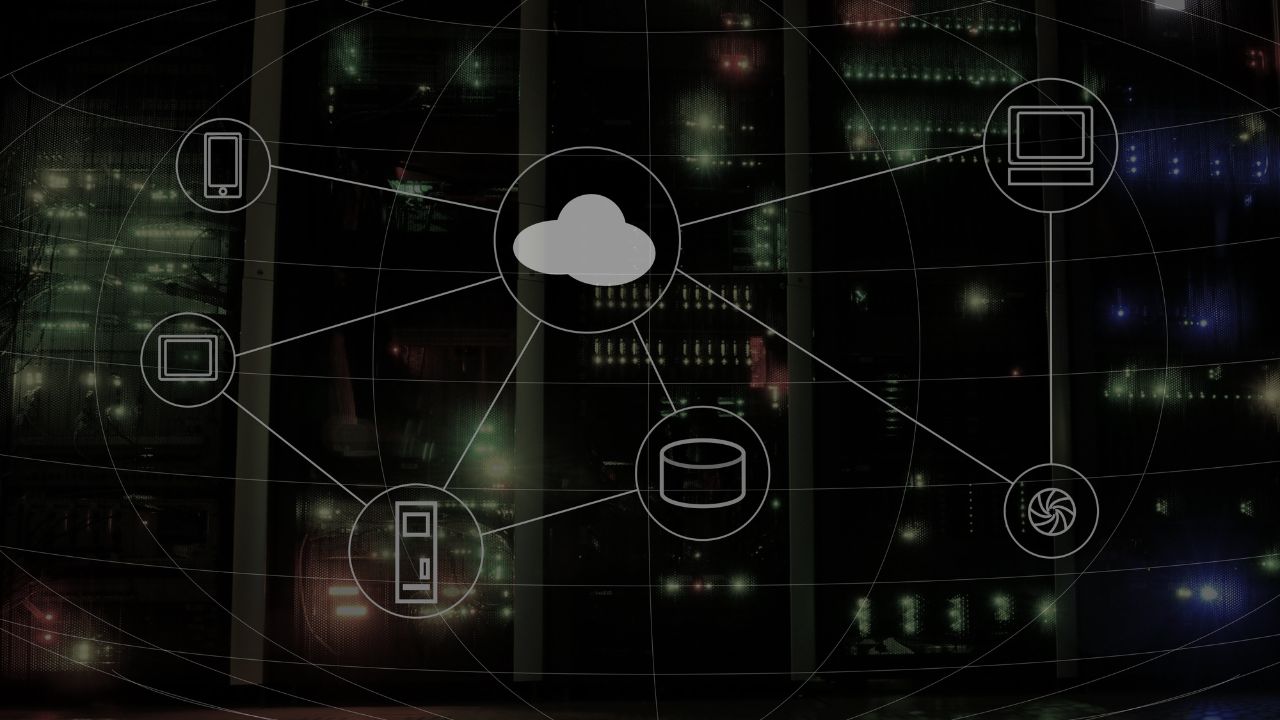
IoT refers to the network of physical devices, vehicles, appliances, and other objects that are embedded with sensors, software, and other technologies, allowing them to connect and exchange data over the internet. These devices can range from simple sensors to complex machines, and they communicate with each other to create smarter systems.
Key features of IoT include:
-
Connectivity: Devices are connected to the internet or local networks, enabling them to exchange data and interact with other devices.
-
Automation: IoT systems can automate processes, reducing the need for manual intervention and increasing efficiency.
-
Data Collection and Analysis: IoT devices generate large amounts of data that can be analyzed to derive insights and improve decision-making.
Applications of IoT
-
Smart Homes: IoT-enabled devices, such as smart thermostats, lights, and security cameras, allow homeowners to control and monitor their homes remotely. This enhances convenience, energy efficiency, and security.
-
Healthcare: IoT devices can monitor patients’ vital signs, track medication usage, and provide real-time data to healthcare professionals. This enables personalized care and improves patient outcomes.
-
Smart Cities: IoT can improve urban infrastructure by optimizing traffic flow, reducing energy consumption, and enhancing public safety. Sensors can monitor air quality, waste levels, and traffic conditions, enabling more efficient city management.
-
Industrial Automation: IoT is transforming manufacturing and logistics by enabling predictive maintenance, real-time inventory tracking, and machine-to-machine communication. This leads to improved productivity and reduced downtime.
Challenges of IoT
-
Security: As IoT devices collect and transmit sensitive data, they are vulnerable to cyberattacks. Ensuring the security of IoT networks and devices is a critical challenge for businesses and consumers alike.
-
Interoperability: With many different IoT devices and platforms available, ensuring that they can work together seamlessly is a challenge. Standardization is key to making IoT devices compatible with each other.
-
Data Privacy: IoT devices generate vast amounts of data, much of it personal in nature. Ensuring that this data is protected and used responsibly is an ongoing concern.
Conclusion
The Internet of Things is revolutionizing how we interact with the world around us, offering new opportunities for automation, efficiency, and innovation. While challenges such as security and interoperability need to be addressed, the potential of IoT to transform industries and improve our daily lives is immense. As technology continues to advance, IoT will play an increasingly important role in shaping the future.